
Ultrasound: How to choose, Uses, Procedure & Safety.
For medical professionals, ultrasound remains the cornerstone of rapid, non-ionizing diagnostic imaging. Whether in a dedicated radiology suite, a private practice, or a specialized clinic, the demand for high-definition imaging solutions has never been higher. At Sonoscanner, we design our systems to meet the rigorous demands of clinicians, ensuring that “seeing is believing” across all clinical environments.

What is an Ultrasound Scan?
An ultrasound scan (sonography) is a medical imaging technique that uses high-frequency sound waves to create live images of the body’s internal structures. Unlike X-rays or CT scans, ultrasound involves no ionizing radiation, making it the preferred modality for sensitive patient populations and repetitive monitoring.
How Ultrasound Works: The Technical Principle
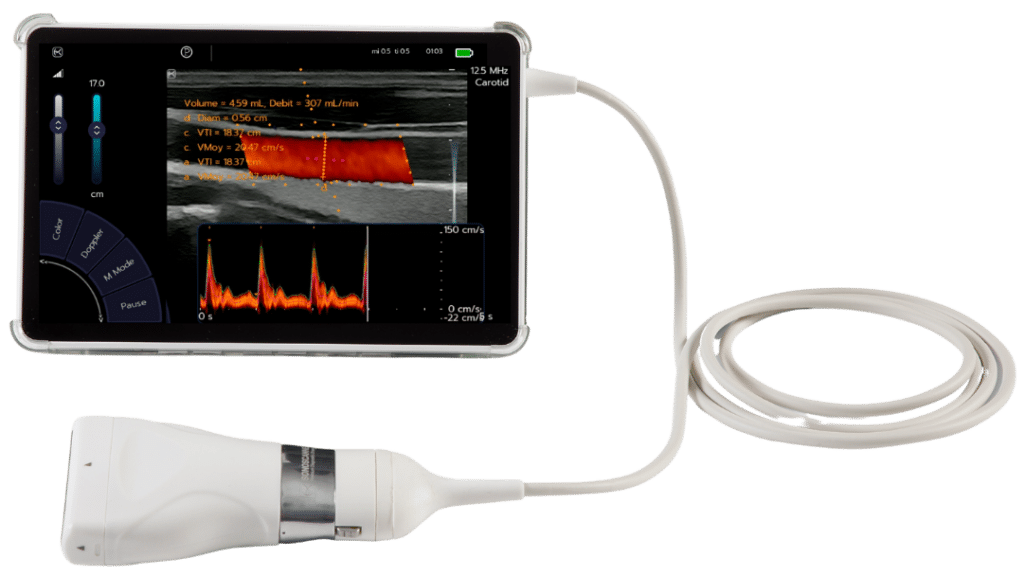
The physics of ultrasound relies on the piezoelectric effect. The transducer (probe) emits high-frequency sound waves that travel through the body. When these waves hit boundaries between different tissues or organs, they reflect back to the probe.
The system calculates the distance and intensity of these echoes to construct a real-time image. To achieve the crystalline clarity required for complex diagnoses, our handheld ultrasound utilizes advanced beamforming technology, packing the power of a console into a compact, highly mobile format.
Types of Ultrasound Scans Available
Ultrasound applications have expanded across virtually every medical specialty. While not exhaustive, the following are common examples of how today’s practitioners utilize this technology:
- Obstetrics and Gynaecology: Monitoring fetal development, placental positioning, and pelvic health.
- Abdominal Scans: Visualizing the liver, gallbladder, spleen, and kidneys.
- Musculoskeletal (MSK): Assessing tendons, muscles, and joints in real-time.
- Vascular/Doppler: Evaluating blood flow, identifying stenosis, and detecting DVT.
- Echocardiography: High-resolution cardiac function and chamber assessment.
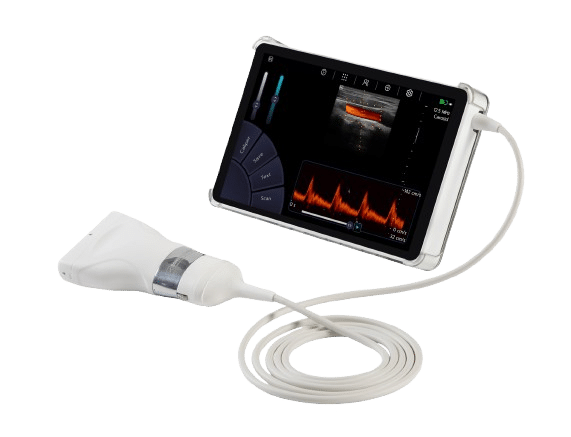
For practitioners requiring a versatile interface for comprehensive examinations, the T-Lite PRO offers a high-performance tablet-based solution, ideal for switching between these applications without compromising on image quality.
Choosing the Right Ultrasound System for Your Practice
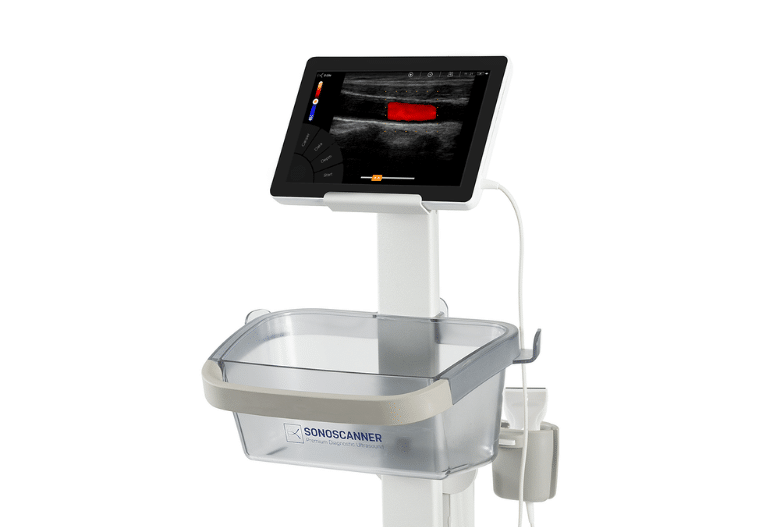
Selecting an ultrasound machine is a critical investment that defines your diagnostic workflow. To make an informed choice, clinicians should evaluate four key pillars:
1. Image Quality and Resolution: Look for systems with high-density transducers and advanced signal processing. Clarity is non-negotiable for accurate measurements.
2. Advanced modes: It is essential to choose an ultrasound machine that provides all the necessary advanced modes, Doppler functions, and measurement capabilities. Even if you are a beginner, you will quickly be limited with a machine that only offers basic functions. At Sonoscanner, all our ultrasound machines provide full Doppler capabilities, advanced modes tailored to each specialty, and integrate AI to support you in your diagnoses.
3. Portability and Ergonomics: Consider your environment. If you move between consultation rooms, a lightweight, rapid-boot system like the handheld ultrasound U-Lite PRO offers unparalleled freedom without the performance “tax” usually associated with small devices.
4. Connectivity and Workflow: Make sure your ultrasound machine provides good connectivity to your work environment and allows you to automatically generate your reports, so you can save valuable time.
Ultrasound During Pregnancy
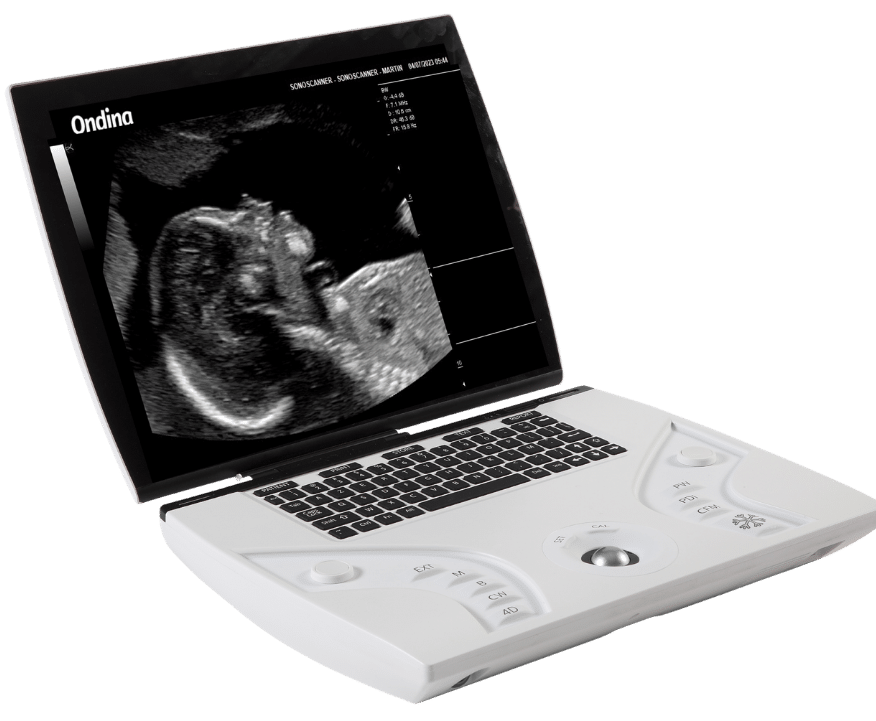
Obstetrics remains one of the most vital uses of ultrasound. It allows for the safe monitoring of the fetus throughout every trimester. From early viability scans to detailed anatomy checks, the absence of radiation ensures the safety of both mother and child.
The Ondina console is particularly suited for high-level obstetric work, offering the image depth and advanced measurement tools necessary for detailed fetal biometry and morphological assessments.
How can you easily equip yourself with an ultrasound machine?
For doctors looking to enhance their diagnostic capabilities, choosing the right equipment is vital. Whether you require the compact U-Lite PRO, the versatile T-Lite PRO, or the comprehensive Ondina console, Sonoscanner provides you with high-quality, precise, and durable equipment, already chosen by several thousand physicians in more than 53 countries worldwide.

FAQs for the Modern Practitioner
Are there any risks associated with ultrasound scans?
There are no known biological risks to patients when ultrasound is used according to ALARA (As Low As Reasonably Achievable) principles. It remains the gold standard for pregnancy due to this safety profile.
Who performs an ultrasound?
While sonographers often perform routine screenings, a growing number of specialists and GPs are integrating ultrasound into their daily workflow. Devices like the U-Lite PRO and T-Lite PRO allow for immediate, high-quality diagnostic autonomy in the clinic.
What are the main advantages of Sonoscanner ultrasound machines?
Sonoscanner ultrasound machines combine high performance, HD imaging, and ease of use. They ensure precise and fast medical diagnosis. The full range of associated services allows you to focus on your practice.
Why choose Sonoscanner ultrasound machines in 2026?
Sonoscanner ultrasound machines incorporate the latest innovations, including built-in AI to support your diagnoses. By choosing a Sonoscanner ultrasound, you can be confident that you have cutting-edge equipment that meets all your needs.
On the patient side: Having an ultrasound – what should they expect?
To ensure a smooth diagnostic experience, it is important to communicate the process clearly to the patient. While ultrasound is a routine procedure, patient preparation and comfort are key to obtaining high-quality images.
How to Prepare for an Ultrasound?
Preparation varies by scan type. Patients may need to fast for abdominal scans to reduce bowel gas or maintain a full bladder for pelvic and early obstetric exams to provide an acoustic window for the sound waves.
Sensations During the Exam
The procedure is generally painless and non-invasive. Patients will feel the cool temperature of the conductive gel—which is necessary to eliminate air pockets between the skin and the probe—and light pressure from the transducer. While a full bladder can cause slight discomfort during certain pelvic scans, the process is generally well-tolerated.
How Long Does an Ultrasound Take?
Most diagnostic scans take between 15 to 45 minutes, depending on the complexity of the clinical question and the ergonomics of the equipment used.
Discover Sonoscanner Ultrasound Devices
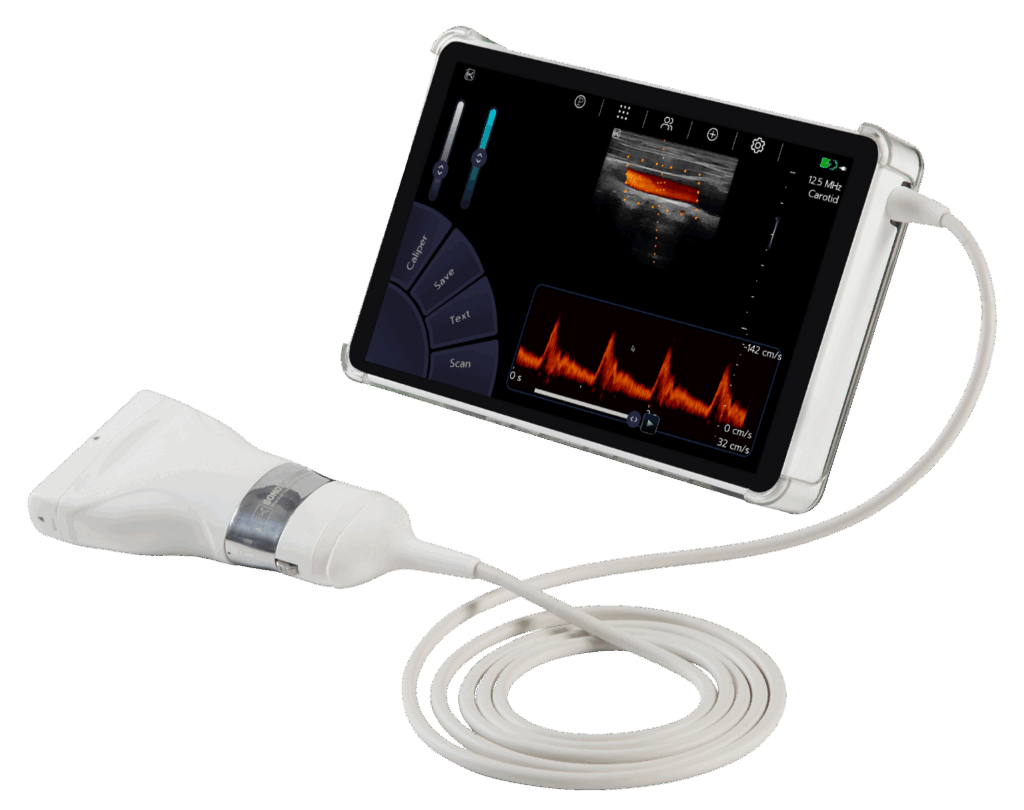
Handheld Ultrasound
U-Lite PRO
7″ HD LED touchscreen
Retina+ image qualit
AI features
600 grams
3-hour battery life
All Doppler modes, including continuous and transcranial
Instant startup
11 available probes
Cloud storage and automatic reporting
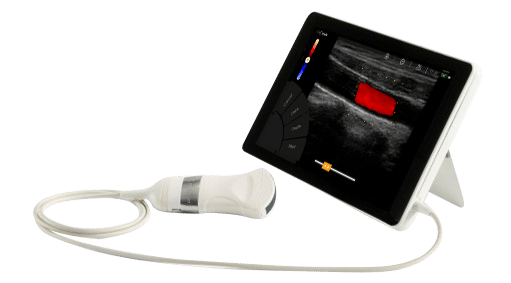
T-Lite PRO Ultra-Portable Ultrasound”
10″ HD LED touchscreen
Retina+ image quality
AI features
1 kg
3-hour battery life
All Doppler modes, including continuous and transcranial
Instant startup
11 available probes
Cloud storage and automatic reporting
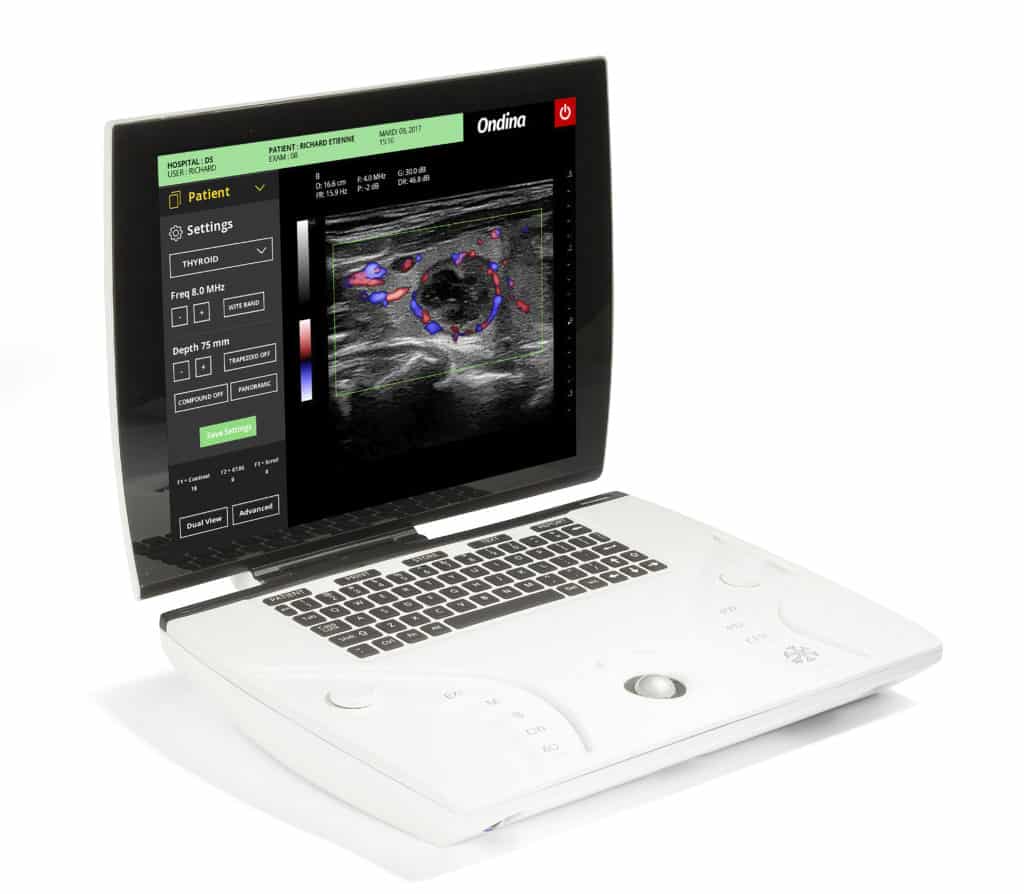
Portable Ultrasound
Ondina
15″ Full HD screen
Retina+ image quality
AI features
Hybrid use: touchscreen and keyboard
Fast startup: 20 seconds
Panoramic, elastography, and 3D/4D options
8 available probes
Automatic reporting



